





Boston's brutal climate swings destroy heating and cooling equipment faster than most American cities. Winter temperatures plunge below zero while summers hit 95 degrees with crushing humidity off the harbor. Your HVAC system runs hard nine months a year with almost no break between heating and cooling seasons.
Salt air from the Atlantic corrodes outdoor units in Charlestown, the Seaport, and East Boston. Older neighborhoods like Beacon Hill and the North End have century-old buildings with tight mechanical spaces that restrict airflow and overheat compressors. Three-deckers in Dorchester and Jamaica Plain often have undersized ductwork that forces systems to work twice as hard.
Boston's freeze-thaw cycles crack condensate lines every winter. Snow piles against outdoor units in Allston and Brighton, blocking airflow and triggering pressure switches. The constant temperature swings wear out contactors, capacitors, and blower motors faster than the manufacturer expects. Add in the humidity that breeds mold in ductwork and you understand why Boston HVAC systems need more maintenance and fail more often than equipment in milder climates. Your system works harder here. It needs technicians who understand these specific challenges.
We built our reputation on speed and honesty during the worst moments. When your heat dies at midnight in January, you need a technician at your door fast, not a recording promising a callback tomorrow. Titan HVAC Boston runs true 24/7 dispatch with live humans answering phones and fully loaded trucks ready to roll from our Somerville facility.
Our technicians grew up fixing HVAC in Boston's unique building stock. They know the quirks of steam systems in Back Bay brownstones, the ductwork nightmares in converted South End warehouses, and the rooftop unit access problems in Fenway apartment buildings. They carry parts for the brands Boston uses most and stock the components that fail in our climate. That means fewer trips back to the supply house while you wait without heat.
We price every job before starting work. No surprise bills, no hidden diagnostic fees, no pressure to replace equipment that just needs repair. If your furnace needs a $200 ignitor, we replace the ignitor. If it needs full replacement, we explain exactly why and show you the failed components. We make our money on volume and reputation, not on scaring people into unnecessary purchases.
Every technician carries full commercial liability coverage and workers compensation. We pull permits for any work that requires them and coordinate inspections with Boston ISD. When we install equipment, it passes inspection the first time because we follow code exactly as written. That protects your homeowner's insurance and keeps your property legal.

We keep three trucks running 24/7 across Boston with technicians who live in the city. Most emergency calls get a technician on site within 90 minutes, even at 3 AM. We stock the parts that fail most often in Boston's climate so we complete most repairs in one visit without waiting for special orders.

You get a firm price before we touch your system. No diagnostic fees that turn into pressure sales. If we find a simple fix, you pay for a simple fix. If you need replacement, we show you exactly what failed and why repair makes no sense. You decide, not us.
Every technician holds current Massachusetts sheet metal and refrigeration licenses. They complete continuing education on new refrigerants, heat pumps, and high efficiency equipment. When code changes, our team already knows the new requirements. That keeps your home legal and your insurance valid.
We understand Boston's mix of triple-deckers, brownstones, and modern condos. Our technicians know how to work in tight South End basements, navigate North End building access, and handle rooftop units in high-rise buildings. Boston buildings are different. Your HVAC company should know that.
Titan HVAC Boston handles every type of heating and cooling work from emergency furnace repair to complete central air installation. We service all equipment brands and work on residential and commercial properties. Our technicians diagnose problems accurately, explain your options clearly, and complete the work correctly the first time.
We break our services into three categories based on urgency and scope. Emergency repairs get you heating or cooling restored fast when systems fail. Planned installations replace old equipment or add climate control to spaces that never had it. Maintenance keeps systems running efficiently and catches small problems before they become expensive failures. Each service category uses different skills and timeframes, but all get the same commitment to quality work and honest pricing.
Whether you need a blower motor replaced tonight or want to install central air in a house that only has radiators, we handle the complete project. We pull permits, coordinate inspections, protect your property during work, and clean up completely when finished. Boston's HVAC challenges require technicians who understand the city's buildings, climate, and codes. That depth of local knowledge separates adequate service from real expertise.
Systems fail at the worst times. We answer emergency calls day and night, dispatch immediately, and carry the parts Boston systems need most. Furnaces, boilers, central air, ductless systems, heat pumps. If it heats or cools your home and it quit working, we diagnose the problem and present repair options on the spot. Most repairs complete same visit. Our goal is restoring your comfort fast, not selling you equipment you don't need yet.
Old systems eventually cost more to repair than replace. We install high efficiency furnaces, central air conditioning, ductless mini splits, and heat pumps sized correctly for Boston's climate. Every installation includes load calculations, proper refrigerant charging, ductwork inspection, and permit coordination. We work with your timeline, protect your home during installation, and test everything thoroughly before we leave. You get equipment that works correctly from day one.
Regular maintenance prevents most emergency breakdowns and keeps utility bills lower. We inspect, clean, and tune systems before heating and cooling seasons start. Check refrigerant levels, test safety controls, clean coils, inspect electrical connections, and catch worn parts before they fail. Service agreement customers get priority scheduling, discounted repairs, and no overtime charges for after-hours calls. Planned maintenance costs less than emergency repairs and extends equipment life significantly.
Boston's weather extremes and building characteristics create specific heating and cooling problems. Understanding these common issues helps you recognize when to call for service before minor problems become expensive failures.
Coastal humidity and temperature swings stress components. Salt air corrodes outdoor units. Snow blocks airflow. Freeze-thaw cycles crack drain lines. Old buildings have undersized ductwork and tight mechanical spaces. These local factors combine to create failure patterns we see repeatedly across Boston neighborhoods. Catching these problems early saves money and prevents the discomfort of complete system failure during extreme weather.
High efficiency furnaces produce condensation that drains outside. Boston's freeze-thaw cycles ice up these drain lines, causing furnaces to shut down on safety. This happens most often during temperature swings between 20 and 35 degrees. The fix requires thawing the line and sometimes rerouting drainage to prevent refreezing.
Salt air from Boston Harbor attacks outdoor AC units in waterfront neighborhoods. Coils corrode, reducing efficiency and eventually causing refrigerant leaks. Units in Charlestown, the Seaport, East Boston, and South Boston fail faster than identical equipment installed inland. Coastal installations need corrosion-resistant coatings and more frequent maintenance.
Triple-deckers and brownstones often have ductwork added decades after construction. Tight spaces force undersized ducts that restrict airflow, making systems work harder and fail sooner. Back Bay, Beacon Hill, and South End buildings frequently need ductwork modifications to achieve proper air circulation and system efficiency.
Boston snowstorms bury ground-level AC condensers and heat pump outdoor units. Blocked airflow triggers high pressure cutoffs and prevents heating during winter when heat pumps run constantly. Units need clearance on all sides and sometimes require elevated platforms or relocation to prevent snow accumulation from shutting down your system.
We built our company around clear communication and reliable service. You should know exactly what to expect from the first phone call through project completion. No surprises, no runaround, no pressure tactics.
When you call with an HVAC problem, you talk to someone who understands heating and cooling, not a call center reading scripts. We ask the right questions to dispatch the correct technician with the right parts. For emergency calls, we commit to a specific arrival window and text you when the technician is 30 minutes out. For scheduled work, we show up on time or call if something delays us.
Our approach focuses on solving your immediate problem while giving you information to make smart decisions about your equipment. You get honest assessments about repair versus replacement, clear explanations of what failed and why, and firm pricing before work starts. We treat your home with respect, protect floors and furnishings, and clean up completely. These expectations should be standard, but they separate good HVAC companies from mediocre ones.
Emergency calls get answered by technicians, not answering services. We ask about symptoms, give you a realistic time window, and dispatch the closest available truck. You get a text with technician name and photo before arrival. For scheduled appointments, we confirm the day before and call if we're running early or late. You always know who's coming and when to expect them.
Our technicians diagnose problems completely before recommending solutions. You get a clear explanation of what failed, why it failed, and your repair options with firm pricing for each. If replacement makes more sense than repair, we show you the failed components and explain our reasoning. You make the final decision based on complete information, not pressure sales tactics.
We protect your floors with drop cloths and use corner guards on tight stairways. Technicians wear shoe covers inside your home. After completing work, we test system operation thoroughly, show you what we did, and remove all debris and old parts unless you want to keep them. Your home looks the same as before we arrived, except your HVAC system works correctly.
HVAC service should be straightforward. We keep the process simple so you know exactly what happens from first call to completed work.
Call (617) 758-1599 and describe your heating or cooling problem. We assess urgency, check technician availability, and commit to a specific arrival window. For emergencies, we typically dispatch within the hour. For scheduled work, we find a time that works with your schedule. You receive confirmation with technician details and our arrival timeframe.
The technician inspects your system, identifies the problem, and explains what failed and why. You receive firm pricing for recommended repairs or replacement before any work begins. We answer your questions, discuss options if multiple solutions exist, and wait for your approval. No work starts until you agree to the scope and price.
Once you approve the work, we complete repairs efficiently using quality parts and proper techniques. After finishing, we test system operation thoroughly to confirm everything works correctly. You get an explanation of what we did, maintenance recommendations, and answers to any questions. We clean up completely and remove all debris.
Massachusetts enforces strict HVAC regulations through the state building code and specialized sheet metal and refrigeration licensing. The Commonwealth requires permits for most equipment replacements, duct modifications, and refrigerant work. Boston's Inspectional Services Department reviews plans and inspects completed installations to verify code compliance.
The current Massachusetts stretch energy code mandates higher efficiency standards than federal minimums. New furnace installations must meet 95 percent AFUE ratings in most applications. Air conditioning equipment must achieve minimum 15 SEER ratings. Heat pumps require 9.5 HSPF for heating performance. These requirements push homeowners toward condensing furnaces and high efficiency cooling equipment.
Refrigerant regulations got significantly stricter under EPA Section 608 certification requirements. Technicians must recover refrigerant during repairs and document proper handling. R-22 refrigerant became illegal to produce in 2020, forcing older AC systems onto reclaimed supplies at premium prices. Most replacement systems now use R-410A refrigerant, which requires different equipment and handling procedures. Mixing refrigerants destroys compressors and voids warranties.
Boston's combustion air requirements affect furnace and boiler installations in tight buildings. Mechanical codes specify minimum ventilation based on BTU input and building construction. Sealed combustion equipment often makes more sense than atmospheric venting in renovated buildings with improved insulation. Carbon monoxide safety has become a major focus, with mandatory CO detectors required within 10 feet of sleeping areas whenever HVAC work gets permitted.
Load calculations determine proper equipment sizing using Manual J methodology. Oversized equipment short cycles, reducing efficiency and comfort. Undersized systems run constantly without achieving desired temperatures. Proper sizing accounts for insulation levels, window quality, air sealing, and Boston's specific weather data. Equipment sized correctly costs less to operate and lasts longer than wrongly sized systems.
Boston requires permits for equipment replacement, refrigerant work, and ductwork modifications. Inspectors verify proper installation, refrigerant charging, combustion venting, and safety controls. Unpermitted work creates liability issues, violates homeowner insurance requirements, and must be corrected before property sales close. Always verify your contractor pulls required permits.
Proper sizing requires Manual J load calculations specific to your home. Bigger equipment does not mean better performance. Massachusetts stretch code mandates 95 percent AFUE furnaces and 15 SEER air conditioners in most installations. High efficiency equipment costs more upfront but reduces utility bills significantly over 15 to 20 year equipment life.
EPA Section 608 requires certified technicians to recover refrigerant during service and document handling properly. R-22 supplies are limited and expensive. New systems use R-410A refrigerant requiring different charging procedures and pressures. Refrigerant leaks waste money and damage the environment. Proper charging affects efficiency, capacity, and compressor life.
Furnaces and boilers need adequate combustion air and proper venting to operate safely. Tight buildings may require outside air supplies or sealed combustion equipment. Carbon monoxide detectors are mandatory near sleeping areas. Inspectors verify draft, test for spillage, and confirm safety controls function correctly before approving installations.
This video explains HVAC challenges specific to Boston including climate impacts on heating and cooling systems, common failure points in triple-deckers and brownstones, Massachusetts code requirements, and proper equipment sizing. Covers emergency AC repair, furnace service, heat pump installation, and preventive maintenance across Boston neighborhoods. Discusses refrigerant regulations, efficiency standards, and coastal corrosion issues affecting equipment near Boston Harbor.
Titan HVAC Boston operates across every Boston neighborhood from our Somerville facility just off McGrath Highway. Our central location puts us 15 minutes from most service calls whether you're in South Boston, Jamaica Plain, or Charlestown. We keep trucks moving through the city constantly, which means faster response times when your heating or cooling fails.
Downtown and Back Bay present unique challenges with limited parking, tight building access, and strict condo association rules. Our technicians understand these constraints and coordinate service timing to minimize disruption. We navigate narrow South End streets, handle basement access in Beacon Hill brownstones, and work within the parking restrictions that make downtown service difficult for companies based outside the city.
East Boston and Charlestown deal with salt air corrosion that attacks outdoor equipment aggressively. We stock corrosion-resistant components and recommend protective coatings for units near the harbor. The Seaport's new construction often has complex HVAC systems with digital controls requiring specialized diagnostic tools and training.
Residential neighborhoods like Dorchester, Jamaica Plain, Roxbury, and Mattapan feature mostly triple-deckers and two-family homes with aging HVAC systems. These buildings often need ductwork upgrades to support modern high efficiency equipment. We understand the typical layouts, know where equipment hides in these structures, and work efficiently in tight mechanical spaces.
West Roxbury, Roslindale, and Hyde Park have more single-family homes with yards and better equipment access. These neighborhoods see more heat pump installations as homeowners seek heating and cooling efficiency improvements. Allston and Brighton house many students and young professionals in older buildings that need creative HVAC solutions within tight budgets.
We also serve surrounding communities including Cambridge, Somerville, Brookline, Quincy, and Medford. The density and building age across greater Boston creates steady HVAC demand year-round. Whether you're near Fenway Park, down by Castle Island, or out by the Arnold Arboretum, we know your neighborhood and get there fast.
The $5000 rule is a repair-or-replace guideline. Multiply your system's age by the repair cost. If the total exceeds $5000, replacement makes more financial sense than fixing. For example, a 12-year-old system needing a $500 repair equals $6000, suggesting replacement. Boston's freeze-thaw cycles and humid summers stress older systems, making this calculation important. A new system offers better efficiency, lower energy bills, and reliability during harsh New England winters. This rule helps you avoid throwing money at a failing system that will need replacement soon anyway.
In Boston, HVAC jobs range widely based on scope. Basic furnace or AC repairs run $200 to $800. Full system replacements for a typical home cost $6000 to $14000. Ductwork modifications add $2000 to $5000. Heat pump installations trend higher due to dual heating and cooling capability. Older homes in neighborhoods like Beacon Hill or Back Bay often need custom solutions because of tight mechanical spaces and outdated infrastructure. Variables include equipment efficiency ratings, ductwork condition, zone control needs, and whether you need both heating and cooling capacity for Boston's temperature extremes.
HVAC labor costs reflect technical expertise and business overhead. Technicians invest years in training, EPA certifications, and ongoing education about evolving systems. They carry expensive diagnostic tools and maintain service vehicles stocked with parts. Insurance, licensing, and workers' compensation add overhead. Boston-specific factors increase costs: traffic delays between service calls, difficult parking, and challenging access in older triple-deckers and brownstones. Winter emergency calls require premium pay. You are paying for diagnostic skill that prevents repeat callbacks and ensures safe operation of equipment handling combustible gas and high-voltage electricity.
The $5000 rule is a repair-or-replace guideline. Multiply your system's age by the repair cost. If the total exceeds $5000, replacement makes more financial sense than fixing. For example, a 12-year-old system needing a $500 repair equals $6000, suggesting replacement. Boston's freeze-thaw cycles and humid summers stress older systems, making this calculation important. A new system offers better efficiency, lower energy bills, and reliability during harsh New England winters. This rule helps you avoid throwing money at a failing system that will need replacement soon anyway.
In Boston, HVAC jobs range widely based on scope. Basic furnace or AC repairs run $200 to $800. Full system replacements for a typical home cost $6000 to $14000. Ductwork modifications add $2000 to $5000. Heat pump installations trend higher due to dual heating and cooling capability. Older homes in neighborhoods like Beacon Hill or Back Bay often need custom solutions because of tight mechanical spaces and outdated infrastructure. Variables include equipment efficiency ratings, ductwork condition, zone control needs, and whether you need both heating and cooling capacity for Boston's temperature extremes.
HVAC labor costs reflect technical expertise and business overhead. Technicians invest years in training, EPA certifications, and ongoing education about evolving systems. They carry expensive diagnostic tools and maintain service vehicles stocked with parts. Insurance, licensing, and workers' compensation add overhead. Boston-specific factors increase costs: traffic delays between service calls, difficult parking, and challenging access in older triple-deckers and brownstones. Winter emergency calls require premium pay. You are paying for diagnostic skill that prevents repeat callbacks and ensures safe operation of equipment handling combustible gas and high-voltage electricity.
A heat pump for a 2000 square foot Boston home typically costs $8000 to $16000 installed. Cold-climate models suited for New England winters run higher but provide reliable heating below 0°F. Variables include SEER2 efficiency ratings, backup heat requirements, ductwork modifications, and electrical upgrades. Boston's heating-dominated climate means you need proper sizing and possibly supplemental heat for extreme cold snaps. Multi-zone systems cost more but offer better comfort control in larger homes. Existing ductwork condition affects installation complexity. Federal tax credits and Mass Save rebates can offset upfront costs substantially.
Your HVAC may qualify for federal tax credits under the Inflation Reduction Act. High-efficiency air source heat pumps can qualify for up to 30% of installation costs. Central AC units meeting specific SEER2 ratings qualify for smaller credits. Furnaces with 97% AFUE or higher may be eligible. Massachusetts residents also access Mass Save rebates for qualifying equipment. Equipment must meet ENERGY STAR certification and be installed by a qualified contractor. Keep manufacturer certification sheets and receipts. Credits apply to your tax liability, not as rebates. Consult a tax professional about your specific situation and current requirements.
The 3-minute rule prevents compressor damage. After your AC shuts off, wait at least 3 minutes before restarting. This allows refrigerant pressures to equalize throughout the system. Restarting too quickly forces the compressor to work against high pressure, causing strain, overheating, and potential failure. Most modern systems have built-in time delay relays that enforce this automatically. If your AC short-cycles (rapid on-off), you have a bigger problem like refrigerant leaks, thermostat issues, or an oversized unit. In Boston's humid summers, proper cycling matters for both dehumidification and equipment longevity.
HVAC for a 1200 square foot Boston home costs $4500 to $10000 for full replacement. Smaller homes need less heating and cooling capacity, reducing equipment costs. A 2-ton AC unit and 60000 BTU furnace typically suffice. Many Boston triple-deckers and condos in this range have existing ductwork, lowering installation complexity. Ductless mini-splits run $3500 to $8000 and work well in homes without ducts. Older homes may need electrical upgrades or asbestos abatement around existing systems. Energy-efficient equipment costs more upfront but reduces utility bills during long heating seasons.
HVAC systems in Boston last 15 to 25 years with proper maintenance. Furnaces typically reach 18 to 22 years. Air conditioners last 12 to 17 years. Heat pumps average 15 years because they work year-round. Boston's temperature extremes stress systems more than mild climates. Salt air near the coast corrodes outdoor units faster. Annual maintenance extends lifespan substantially. Skipping filter changes, ignoring strange noises, and delaying minor repairs shorten equipment life. Furnaces in damp basements rust quicker. Quality installation matters as much as equipment brand. Budget for replacement once your system exceeds 15 years.
Insurance rarely covers HVAC repairs from normal wear and tear. Standard homeowners policies exclude maintenance issues and age-related breakdowns. Coverage applies only when sudden, accidental events damage your system, like fire, lightning strikes, or vandalism. Frozen pipes that crack your heat exchanger might be covered depending on your policy and whether you maintained adequate heat. Flood damage requires separate flood insurance. Some home warranty plans cover HVAC repairs, but read exclusions carefully. Boston's harsh winters make heating failures serious, but insurance treats them as maintenance issues you should prevent through regular service.
Installing central AC in a 2000 square foot Boston home costs $5000 to $12000. Homes with existing ductwork from forced-air heating pay less. Adding new ductwork increases costs $3000 to $7000. You need a 3 to 4-ton capacity unit for this size. Older homes in Dorchester, Jamaica Plain, or Somerville without ducts face higher costs or should consider ductless mini-splits at $6000 to $14000. Variables include insulation quality, window efficiency, sun exposure, and ceiling heights. Multi-zone systems cost more but cool more efficiently. Electrical panel upgrades add expense if your service cannot handle AC load.
A heat pump for a 2000 square foot Boston home typically costs $8000 to $16000 installed. Cold-climate models suited for New England winters run higher but provide reliable heating below 0°F. Variables include SEER2 efficiency ratings, backup heat requirements, ductwork modifications, and electrical upgrades. Boston's heating-dominated climate means you need proper sizing and possibly supplemental heat for extreme cold snaps. Multi-zone systems cost more but offer better comfort control in larger homes. Existing ductwork condition affects installation complexity. Federal tax credits and Mass Save rebates can offset upfront costs substantially.
Your HVAC may qualify for federal tax credits under the Inflation Reduction Act. High-efficiency air source heat pumps can qualify for up to 30% of installation costs. Central AC units meeting specific SEER2 ratings qualify for smaller credits. Furnaces with 97% AFUE or higher may be eligible. Massachusetts residents also access Mass Save rebates for qualifying equipment. Equipment must meet ENERGY STAR certification and be installed by a qualified contractor. Keep manufacturer certification sheets and receipts. Credits apply to your tax liability, not as rebates. Consult a tax professional about your specific situation and current requirements.
The 3-minute rule prevents compressor damage. After your AC shuts off, wait at least 3 minutes before restarting. This allows refrigerant pressures to equalize throughout the system. Restarting too quickly forces the compressor to work against high pressure, causing strain, overheating, and potential failure. Most modern systems have built-in time delay relays that enforce this automatically. If your AC short-cycles (rapid on-off), you have a bigger problem like refrigerant leaks, thermostat issues, or an oversized unit. In Boston's humid summers, proper cycling matters for both dehumidification and equipment longevity.
HVAC for a 1200 square foot Boston home costs $4500 to $10000 for full replacement. Smaller homes need less heating and cooling capacity, reducing equipment costs. A 2-ton AC unit and 60000 BTU furnace typically suffice. Many Boston triple-deckers and condos in this range have existing ductwork, lowering installation complexity. Ductless mini-splits run $3500 to $8000 and work well in homes without ducts. Older homes may need electrical upgrades or asbestos abatement around existing systems. Energy-efficient equipment costs more upfront but reduces utility bills during long heating seasons.
HVAC systems in Boston last 15 to 25 years with proper maintenance. Furnaces typically reach 18 to 22 years. Air conditioners last 12 to 17 years. Heat pumps average 15 years because they work year-round. Boston's temperature extremes stress systems more than mild climates. Salt air near the coast corrodes outdoor units faster. Annual maintenance extends lifespan substantially. Skipping filter changes, ignoring strange noises, and delaying minor repairs shorten equipment life. Furnaces in damp basements rust quicker. Quality installation matters as much as equipment brand. Budget for replacement once your system exceeds 15 years.
Insurance rarely covers HVAC repairs from normal wear and tear. Standard homeowners policies exclude maintenance issues and age-related breakdowns. Coverage applies only when sudden, accidental events damage your system, like fire, lightning strikes, or vandalism. Frozen pipes that crack your heat exchanger might be covered depending on your policy and whether you maintained adequate heat. Flood damage requires separate flood insurance. Some home warranty plans cover HVAC repairs, but read exclusions carefully. Boston's harsh winters make heating failures serious, but insurance treats them as maintenance issues you should prevent through regular service.
Installing central AC in a 2000 square foot Boston home costs $5000 to $12000. Homes with existing ductwork from forced-air heating pay less. Adding new ductwork increases costs $3000 to $7000. You need a 3 to 4-ton capacity unit for this size. Older homes in Dorchester, Jamaica Plain, or Somerville without ducts face higher costs or should consider ductless mini-splits at $6000 to $14000. Variables include insulation quality, window efficiency, sun exposure, and ceiling heights. Multi-zone systems cost more but cool more efficiently. Electrical panel upgrades add expense if your service cannot handle AC load.
We are proud to serve our valued clients across the entire region. Whether you're in the city center or a surrounding community, our dedicated team is ready to provide top-notch HVAC services right to your doorstep. You can locate our main office here, and we encourage you to reach out to schedule a service, explore our offerings, or discuss your heating and cooling needs with our expert team. We look forward to serving you!
Address:
Boston, MA, 2127
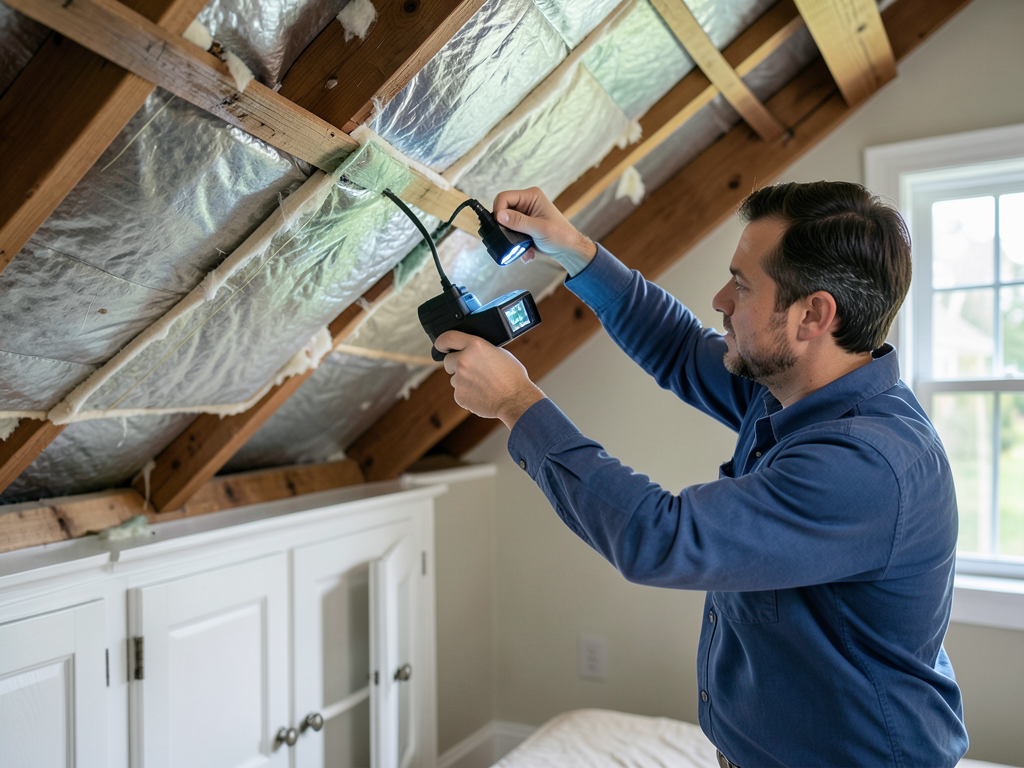
Why Your Saugus Home Needs Better Attic Insulation Before You Replace the Furnace Many Saugus homeowners rush to replace their furnace when energy bills spike, but the real culprit might be hiding above your head.…
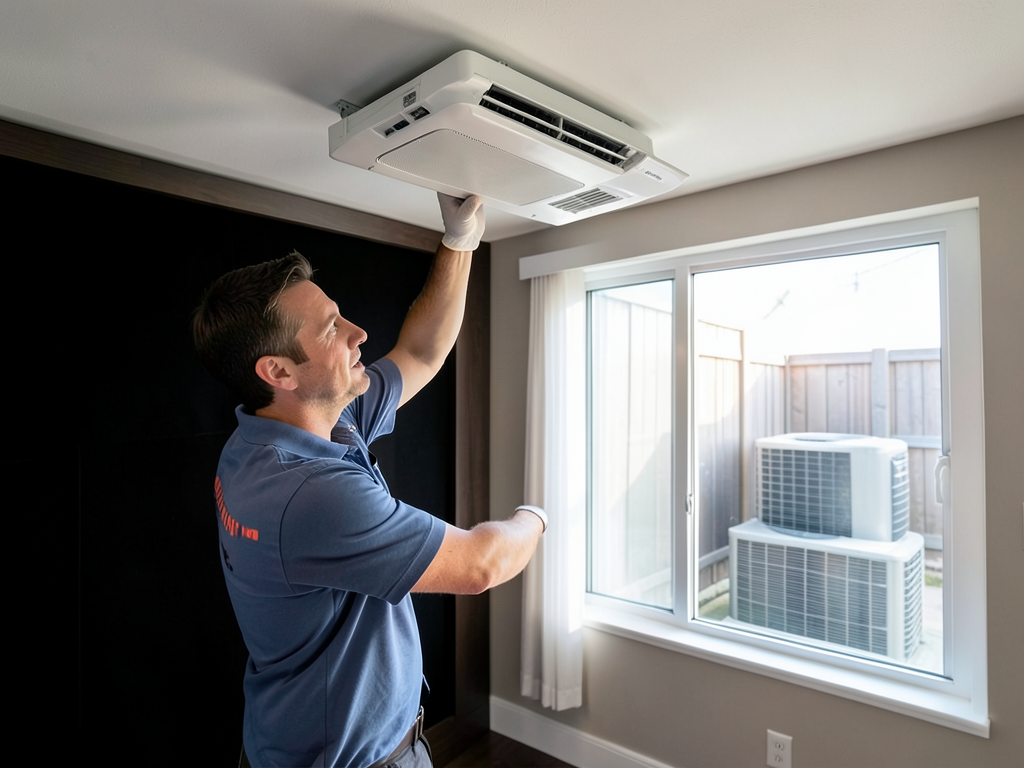
Finding a Silent HVAC Solution for Your Home Theater or Media Room in Wellesley If…
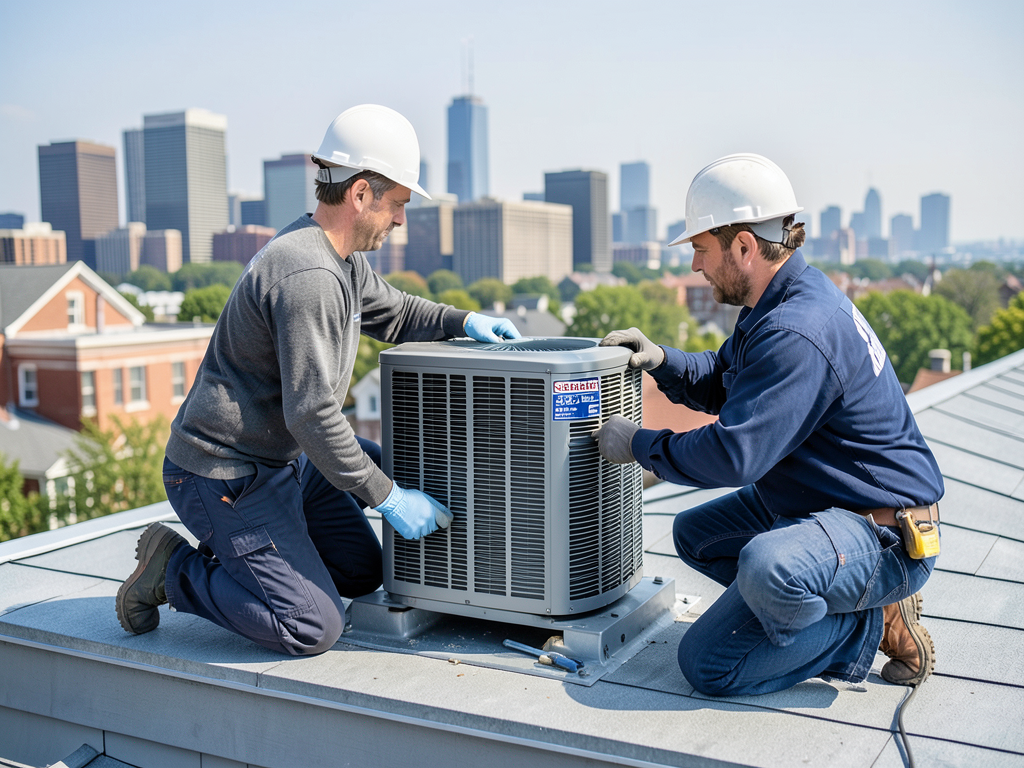
What the New SEER2 Efficiency Standards Mean for Your Next Boston AC Upgrade The Department…

Large multi-story homes in Newton often suffer from uneven temperatures where some rooms feel like…
Your heating or cooling system needs attention now. Call (617) 758-1599 and talk to a technician who can help immediately. We dispatch emergency calls within the hour and schedule planned work around your availability. No phone tag, no delays, just fast professional service when you need it.